Why is Drywall Texture So Difficult to Match?
If you have a patch on your wall or ceiling, you already know that drywall texture matching is one of the hardest parts of a quality repair. Textures look simple from a distance, yet small shifts in pattern, thickness, and sheen show up fast in our bright Georgia light. That's why professionals take a careful, step-by-step approach to texture matching before a single drop of finish paint goes on.
Here's a plain-English look at what makes matching existing drywall texture so challenging, why it shows the moment it's wrong, and how an experienced crew brings it together so your wall reads as one seamless surface.
What Makes Drywall Texture So Hard to Match
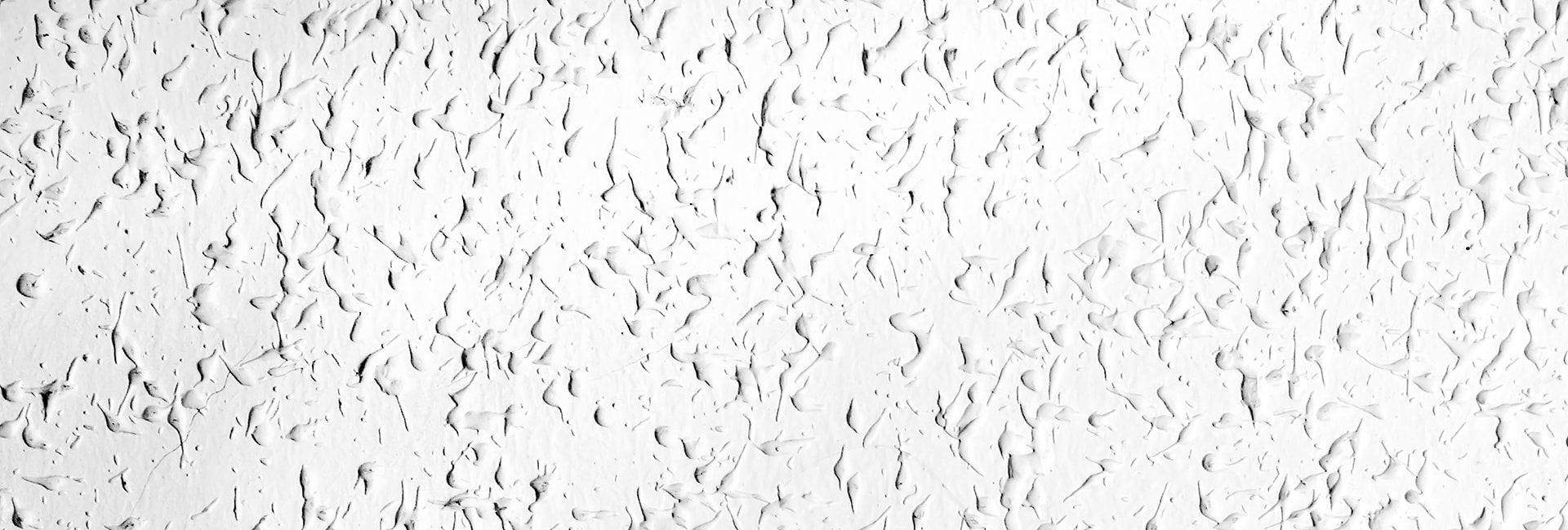
Drywall textures are not a single product you can "buy and apply." They're a combination of compound, water, air, pressure, timing, and tool marks. Change any one of those, and the pattern changes. It's like trying to copy a signature by hand. You can get close, but the little curves give it away.
Several factors stack up at once:
- Compound consistency: A thicker or thinner mix changes the height and spread of each splatter or ridge.
- Tool choice: Hopper gun, roller, stomp brush, or knife leave different profiles and edges.
- Set time: Knockdown too early or too late and the pattern flattens or tears.
- Application speed: Faster passes create smaller, tighter texture; slower passes leave bigger islands.
- Distance from surface: A spray that's too close blobs; too far turns dusty and weak.
Even when two people use the same gun and mud, hand rhythm and pressure are never identical. That tiny difference becomes a visible seam around a patch.
How Time and Materials Change Texture
Walls and ceilings in Northwest Georgia go through humid summers and cool snaps. That movement slowly reshapes texture. Older mud shrinks, paint films build up, and dust fills valleys. When you place fresh mud next to a twenty-year-old surface, they don't reflect light the same way. What matched wet can read wrong once it cures and gets paint.
There's also the matter of brands and batches. Joint compound from one manufacturer may hold air differently than another. Additives like primer-sealer or a small amount of paint mixed into mud change bond and sheen. Over time, the original surface hardens and warms in color as paint ages. New material sits brighter and crisper. Pros account for this drift so the new work lands in the same visual family as the old surface.
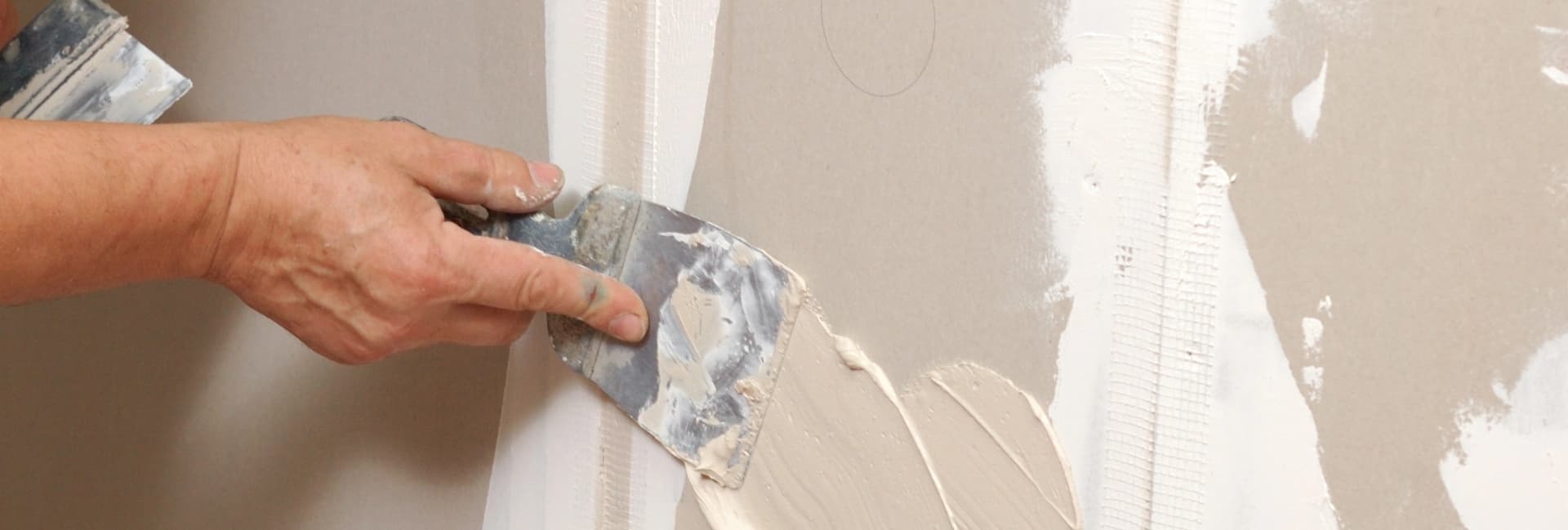
Repairs often sit over different substrates. A tight, well-screwed patch responds differently than the surrounding drywall, which may have minor bowing near studs. That slight flex can telegraph through a texture over time if the prep isn't right. Surface prep is everything. Sound backing, clean edges, and a proper primer stage keep the finish stable so the match holds up month after month.
Local insight: Calhoun's humid summers can slow drying and soften edges on fresh texture. Technicians plan for longer cure windows and check the match under both daytime and evening light before they paint.
Why Lighting and Paint Shift the Look
Texture is a 3D pattern that plays with light. The same wall can look perfect at noon and wrong at sunset. Raking light from a low sun or a bright lamp exaggerates highs and lows. Paint adds another layer. Sheen levels change how shadows read. Flat hides more; eggshell and satin catch light and outline every peak.
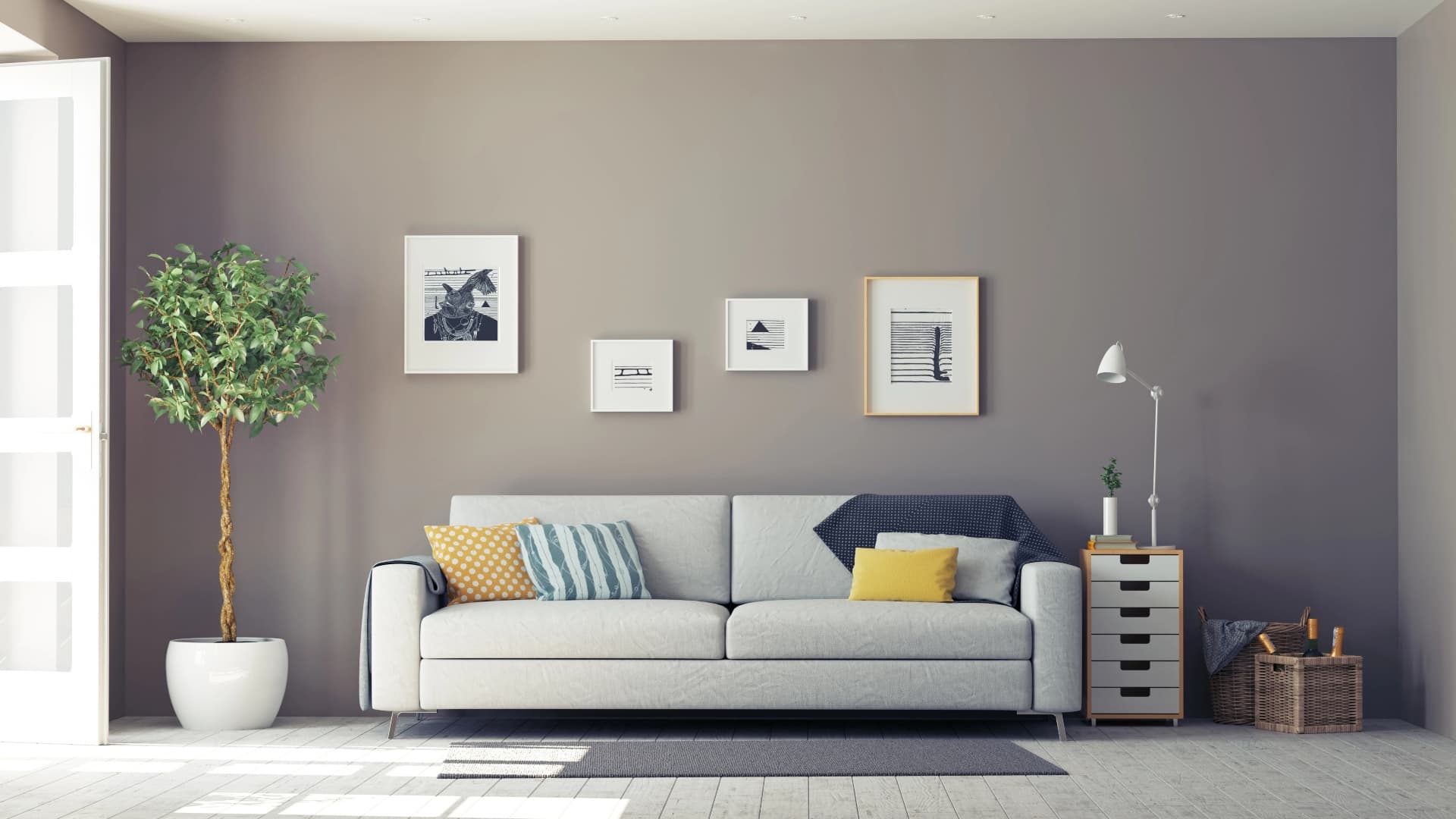
Color matters too. A soft gray or blue common in modern homes can deepen shadows and make a slightly rough area look darker. Warm whites used in many Calhoun renovations bounce more light and can wash out a shallow texture. That's why pros review the surface under multiple light sources and angles before calling a match complete. Color and sheen must match, not just the texture.
The Role of Technique and Tools
Different textures demand different tools and timing. Orange peel depends on spray volume, air pressure, and the thickness of the mud. Knockdown depends on when the raised droplets are flattened and how the knife edge rides the surface. Skip trowel requires a feel for how the blade skims and releases to leave soft arcs. Each one has a sweet spot that changes with room temperature and humidity.
Tool wear also plays a part. A seasoned knockdown knife has rounded corners that glide and avoid lines. A brand-new blade can leave tracks. Spray tips and nozzles vary by size and pattern; the wrong size throws off the scale of the splatter. Experienced technicians test on sample boards or scrap drywall, tune the mix, then move to the wall once the pattern reads right.
What Pros Do to Get A Near-Perfect Match
Getting a good match is more than putting texture on a hole. It's a controlled sequence built around observation, testing, and blending. The goals are simple: match the scale and randomness of the pattern, manage sheen, and hide the transition.
- Assess the original: Identify the texture type, pattern size, and direction. Check lighting angles and paint sheen in the room.
- Stabilize the area: Confirm the patch is solid, joints are feathered wide, and fasteners are tight to prevent future ridges.
- Mock-ups first: Build a small test panel to dial in mix, pressure, and technique before touching the wall.
- Blend the field: Extend texture beyond the repair and feather it thin so there's no hard edge where old meets new.
- Control the finish: Prime evenly and use matching paint sheen and application method so the surface reads as one plane.
This is also where coordination with other work matters. If trim, lighting, or HVAC vents are changing, the room's light pattern can shift. Pros schedule the finish when the environment is close to final, then view the match from common sightlines. If the room had previous work, your crew may also touch small areas across the wall to balance the look. When the structure and finish cooperate, the best drywall repair is the one you never notice.
Common Textures in Calhoun Homes and What Trips Them Up
Homes around Calhoun and greater Gordon County show a mix of finishes. Many mid- to late-90s builds lean toward orange peel on walls and knockdown on ceilings. Renovations sometimes add skip trowel accents. Each has a tell that exposes a mismatch:
Orange peel can go wrong when droplets are too uniform, or the scale is off by even a few millimeters. Knockdown fails when the knife is pressed too hard or too soft, leaving streaks or pockmarks. Skip trowel looks "scratchy" if the blade doesn't glide or if the mud is too dry. Understanding these tells guides adjustments that land inside the look of your existing space.
Local Conditions That Affect Texture Matching
Calhoun sits in a zone with quick weather swings. Summer humidity lingers, which slows drying and can round off fresh peaks. Winter heat cycles can stress joints if the framing moves. Painted surfaces near kitchens collect a thin film over time that changes how new mud bonds and reflects light. Pros build in cure time and take light readings in the actual room conditions so the texture holds up in real life, not just on paper.
Ceilings near bathrooms or laundry rooms may have a slightly different "feel" because of regular moisture. That doesn't mean a match is impossible. It just means the tech will likely widen the blend area and select a primer that levels absorbency so paint doesn't flash. These choices are small, yet they carry big visual weight once the sun hits the surface in late afternoon.
Why Small Patches Often Need Big Blends
It sounds backward, but smaller holes can require larger blend zones. A coin-sized patch with a hard edge screams under side light. By floating the compound wider and feathering the texture thinner at the perimeter, the repair softens into the field. The result looks better even though the working area is bigger. Homeowners are often surprised at how this "more work for less notice" approach pays off the first time they turn on a lamp at night.
On ceilings, this effect doubles. Most rooms in Calhoun use multiple light sources. Recessed lights, pendants, and windows each create their own shadow pattern. A smart blend respects those sightlines so the repair stays invisible whether you're standing in the doorway or sitting on the sofa.
Paint and Primer Choices That Make or Break the Match
Texture can be perfect and still look wrong if the finish coat is off. Primer equalizes the surface so the topcoat doesn't soak in unevenly. Without it, you get flashing, where one area looks shinier or darker at certain angles. The topcoat's sheen must also track with the rest of the room. Even a shift from flat to matte can outline a patch under bright bulbs. Calhoun's bright summer days and warm-toned evening lights both test the finish, which is why a seasoned crew checks the match after primer and again after color.
Signs It's Time to Call A Pro
You don't have to live with a patch that stands out. If you see any of these, it's a good time to bring in help:
- Edges or halos around a repair that show at certain times of day.
- Texture scale that looks too coarse or too fine compared to nearby walls.
- Shiny or dull spots that follow your view as you walk the room.
- Ridges, lines, or tear marks from a knife or roller.
- Repairs near windows or under can lights that never seem to disappear.
Calhoun homeowners value work that blends in and lasts. A qualified team will assess the space, protect surrounding finishes, tune the texture, and deliver a clean result you can be proud of.
For professional drywall texture matching in Calhoun, GA, call Hole Moly Drywall Repair at 706-406-3030 and schedule your visit today.
Make Your Drywall Repair Blend in Beautifully
Matching existing drywall texture isn't guesswork. It's a craft that blends materials, timing, tools, and a trained eye for light. If you want a repair that disappears, start with a company that treats testing and blending as part of the job, not an extra. You'll see the difference every time the sun moves across the room.
If you're planning a repair or finishing up other work, talk with a specialist about timing, lighting, and finish so everything lines up. From small patches to larger blend zones, the right approach protects your investment and keeps your home looking consistent from corner to corner. When you're ready, our team can handle the assessment, set expectations, and build a plan that fits your space and schedule. We'll guide the process from prep to paint so your walls read as one smooth, original surface.
Contact Us Today
We're Ready to Help!